

Vibratory Polishing Machine
Vibration moves stones against abrasive media in a controlled mass. It is well suited to smaller batches, deburring, edge smoothing and parts that need relatively gentle handling.
Transform rough, irregular stone into smooth, consistent cobblestones with controlled tumbling, abrasion and heavy-duty rotary engineering.
01 / COMPANY
Shanghai Cronus Machinery Co., Ltd. is the international subsidiary of Guilin Mining Machinery Co., Ltd. The parent factory was established in 1973 and has grown from a regional machinery backbone enterprise into an integrated R&D, engineering, manufacturing and service organization.
Supported by a manufacturing site of approximately 20,000 m², more than 200 processing, welding and assembly machines, and an experienced engineering team, Cronus delivers equipment from single machines to complete material finishing lines.
Quality capability is reinforced by a portfolio of more than 55 patented technologies, high-tech enterprise recognition, CE certification and ISO quality management certification. Every project is matched to the customer’s stone, capacity, power standard and downstream process.
Engineering controlR&D, design and production under one manufacturing group.
Documented qualityMaterial, welding, assembly and run-test checkpoints.
Global supportSelection, commissioning guidance, training and parts service.
02 / MACHINE TYPES
Machine selection depends on batch volume, stone geometry, surface defects and the required finish.
Vibration moves stones against abrasive media in a controlled mass. It is well suited to smaller batches, deburring, edge smoothing and parts that need relatively gentle handling.
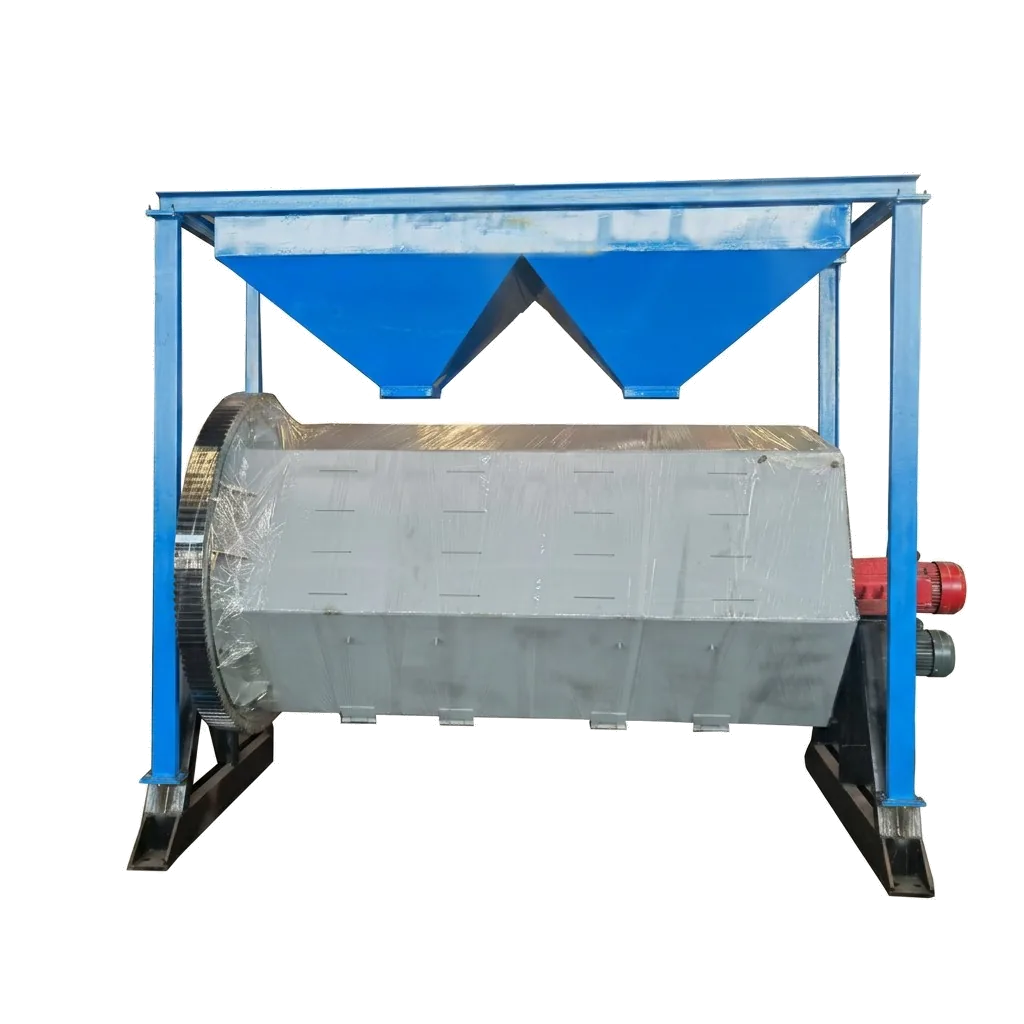
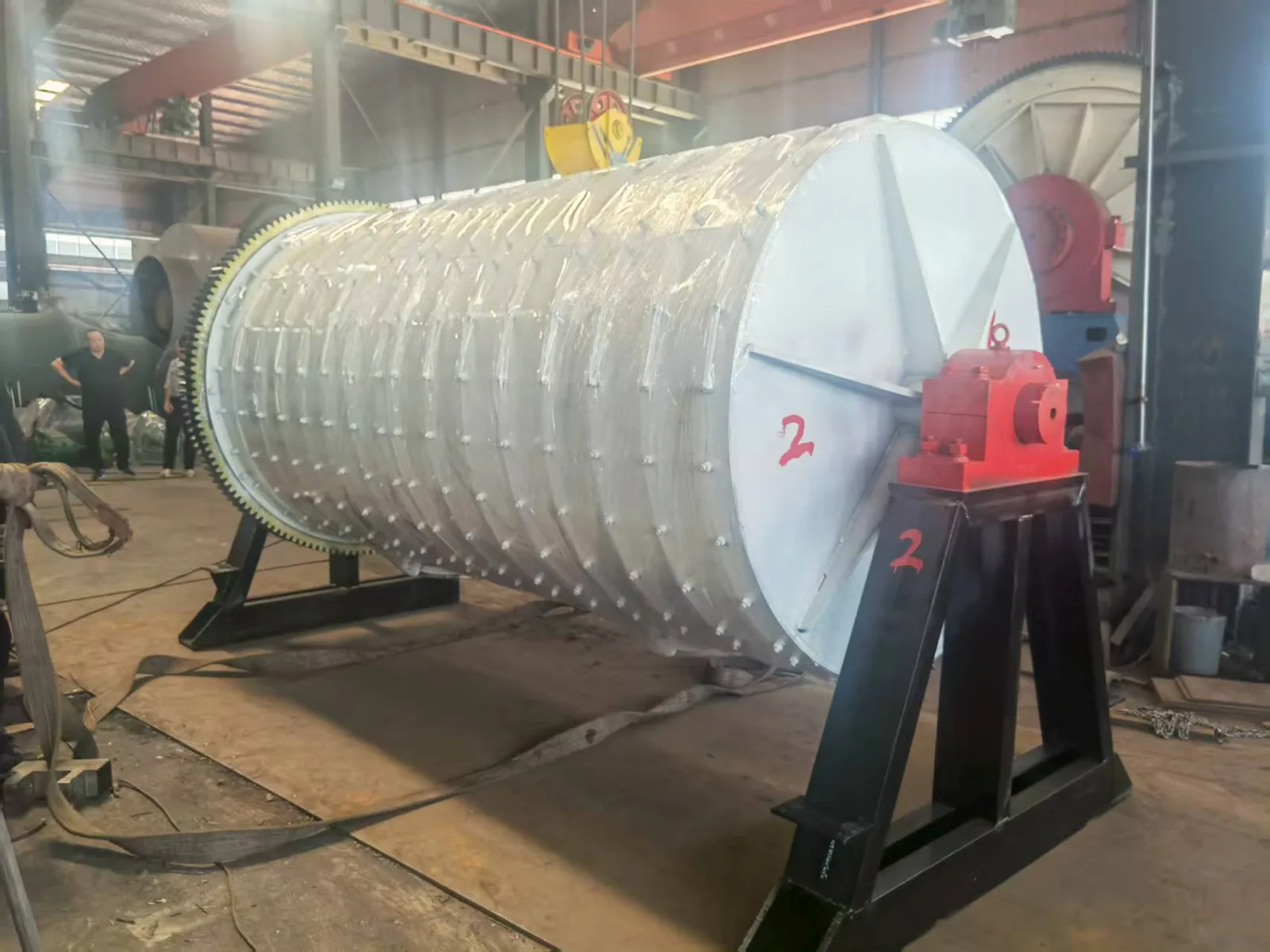
A rotating hexagonal or octagonal drum repeatedly lifts and rolls the load. It offers high capacity, robust operation and efficient batch or continuous processing for cobblestones.
Different ceramic, synthetic resin and porcelain media can be combined with compounds to adjust cutting strength, rounding rate and final polish for specific materials.
03 / WORKING PRINCIPLE
Inside the rotating drum, stones are lifted by the multi-faceted shell and then roll through the load. Contact between stone, water, compound and abrasive media gradually removes surface peaks, dirt and minor defects without changing the stone’s essential character.
Add sorted stone, suitable media and the required amount of water or compound. A working fill near three quarters is a common starting point.
The reducer and gear drive rotate the drum at a controlled speed, creating repeatable lifting, sliding and rolling action.
Abrasive contact removes uneven areas and sharp edges. Finer media or compound can then refine the surface and improve gloss.
Water and slurry leave through the discharge system; a vibrating screen can separate finished stone from media and classify the output.
04 / CRONUS ADVANTAGES
The design priorities are uniform tumbling, dependable torque transmission, durable wear surfaces and a process layout that operators can clean and service efficiently.
The octagonal profile encourages lifting and rolling instead of simple sliding, improving contact across the batch.
Q345B steel shells with plate thickness from 10 to 25 mm; wear-resistant manganese steel options support demanding service.
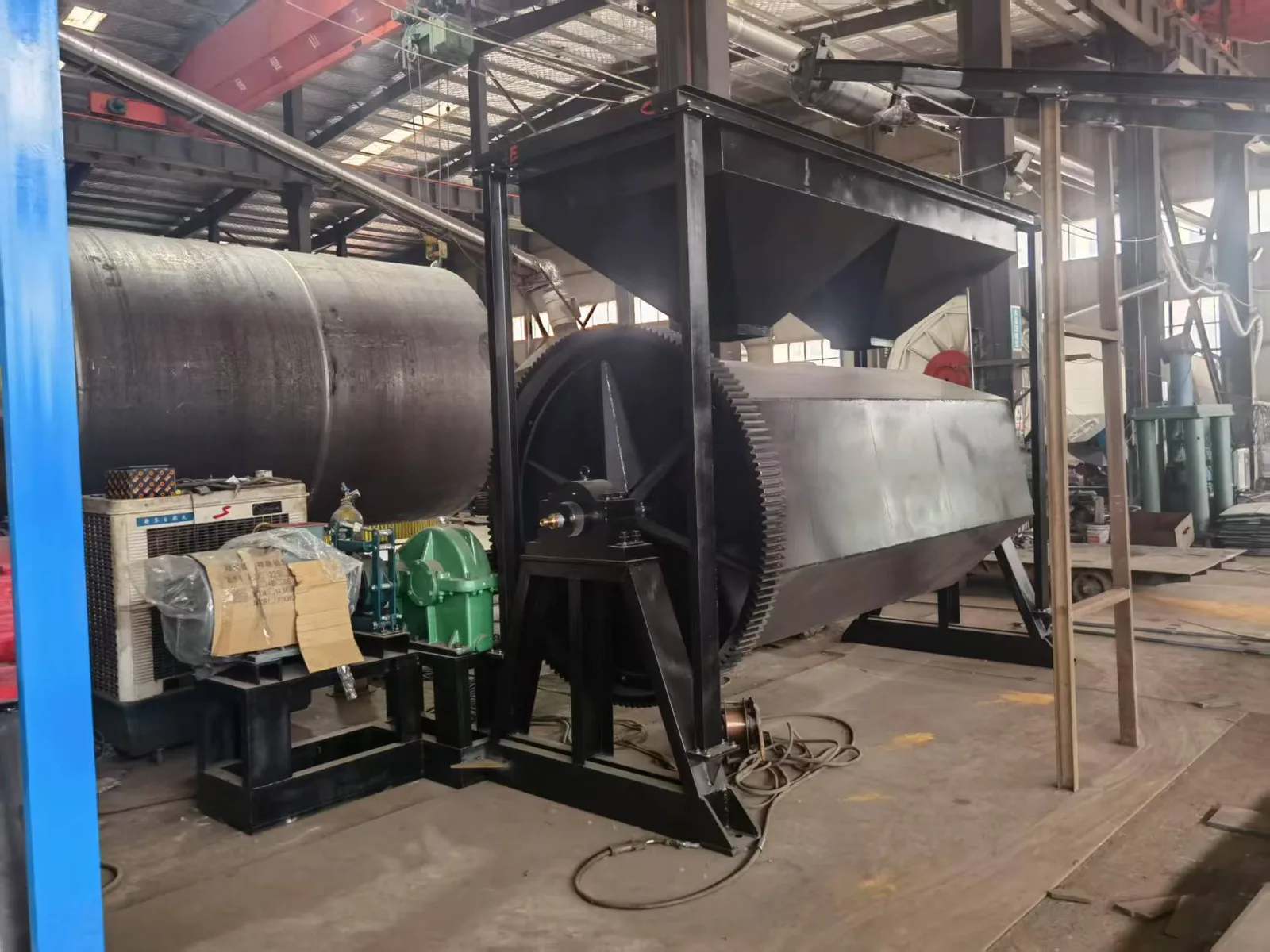
An industrial reducer, pinion and large ring gear transmit high torque without the slip associated with friction-only drives.
Automatic water feed and convenient slurry discharge support cleaner wet processing and faster changeovers.
Dual hoppers, grading screens, water circulation and discharge conveyors can be combined around the core drum.
Drum dimensions, power, liner, access doors, frame height and controls are matched to material and throughput.
Models above approximately 10 tons can use synchronized braking for controlled stopping and drum positioning.
Selection, installation guidance, operator training, technical support and spare parts remain available after delivery.
05 / APPLICATIONS
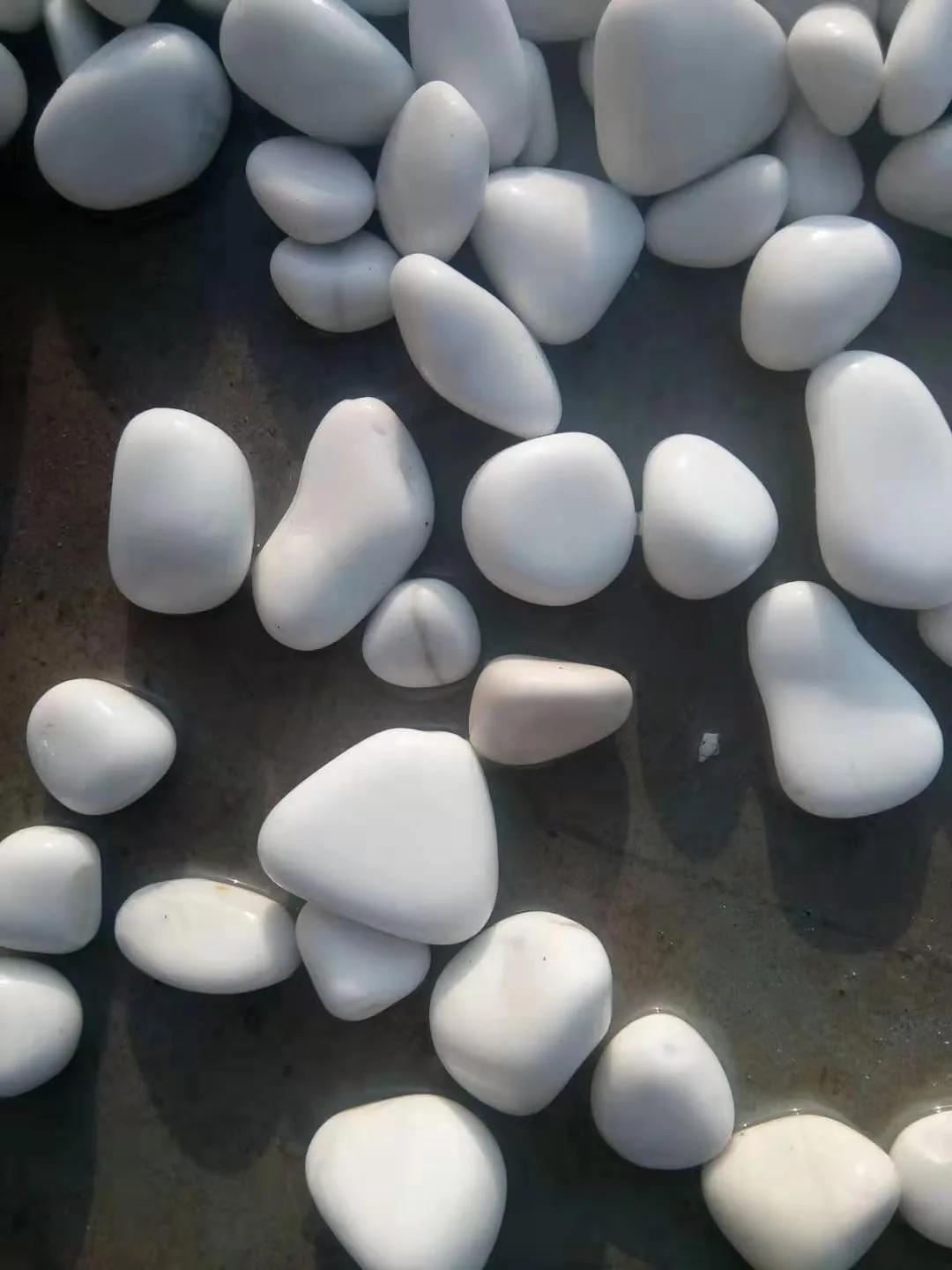
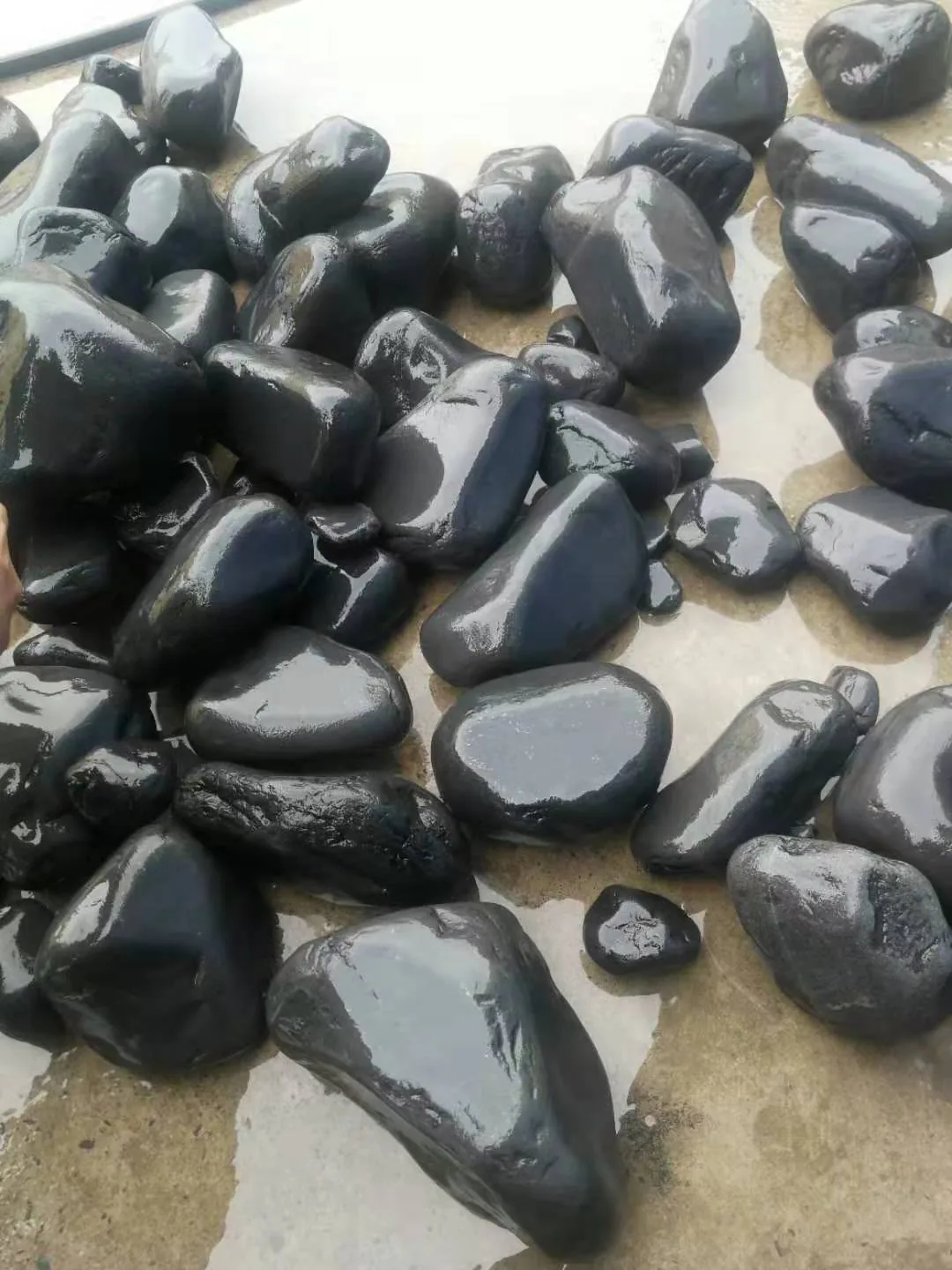
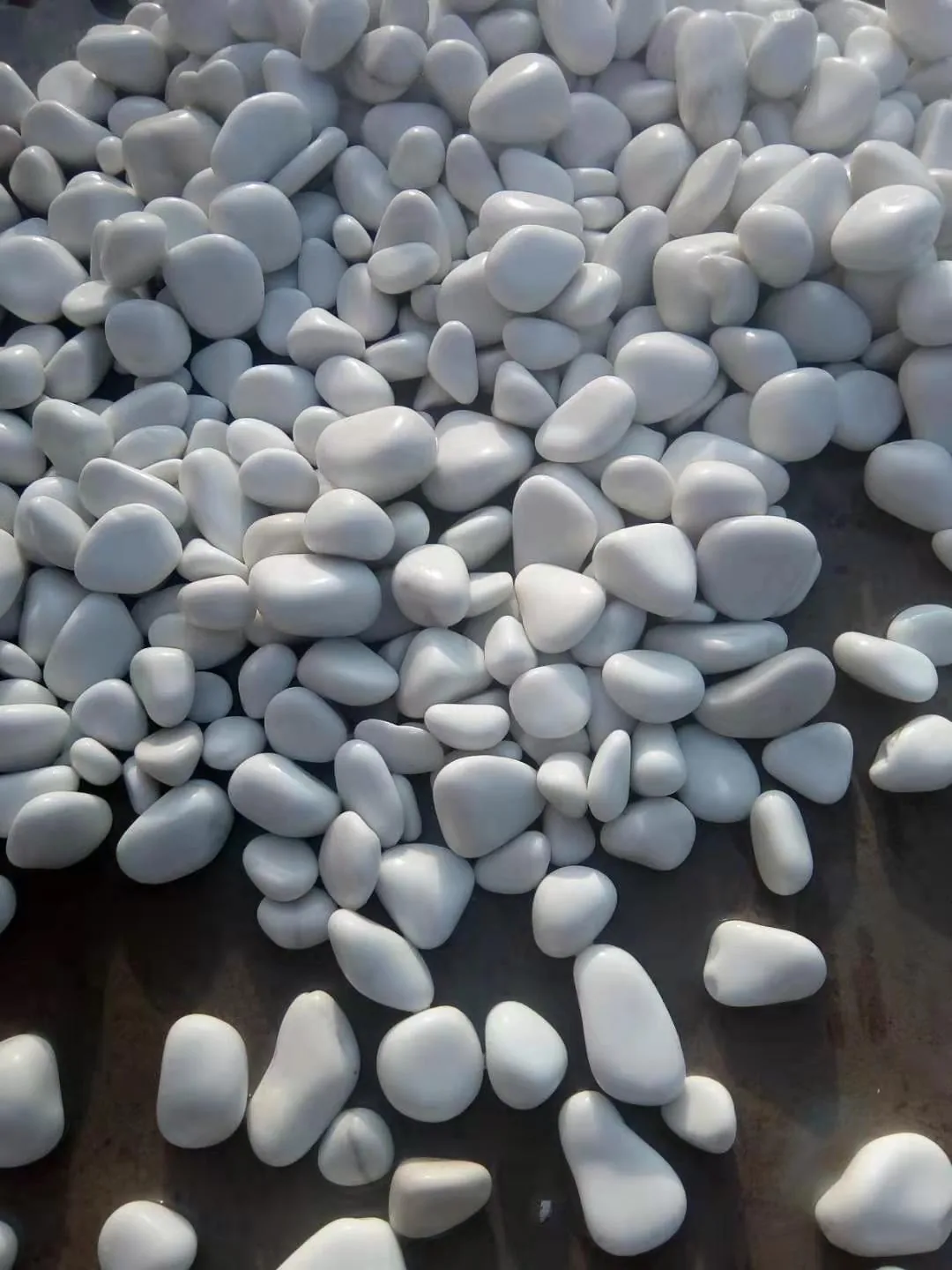
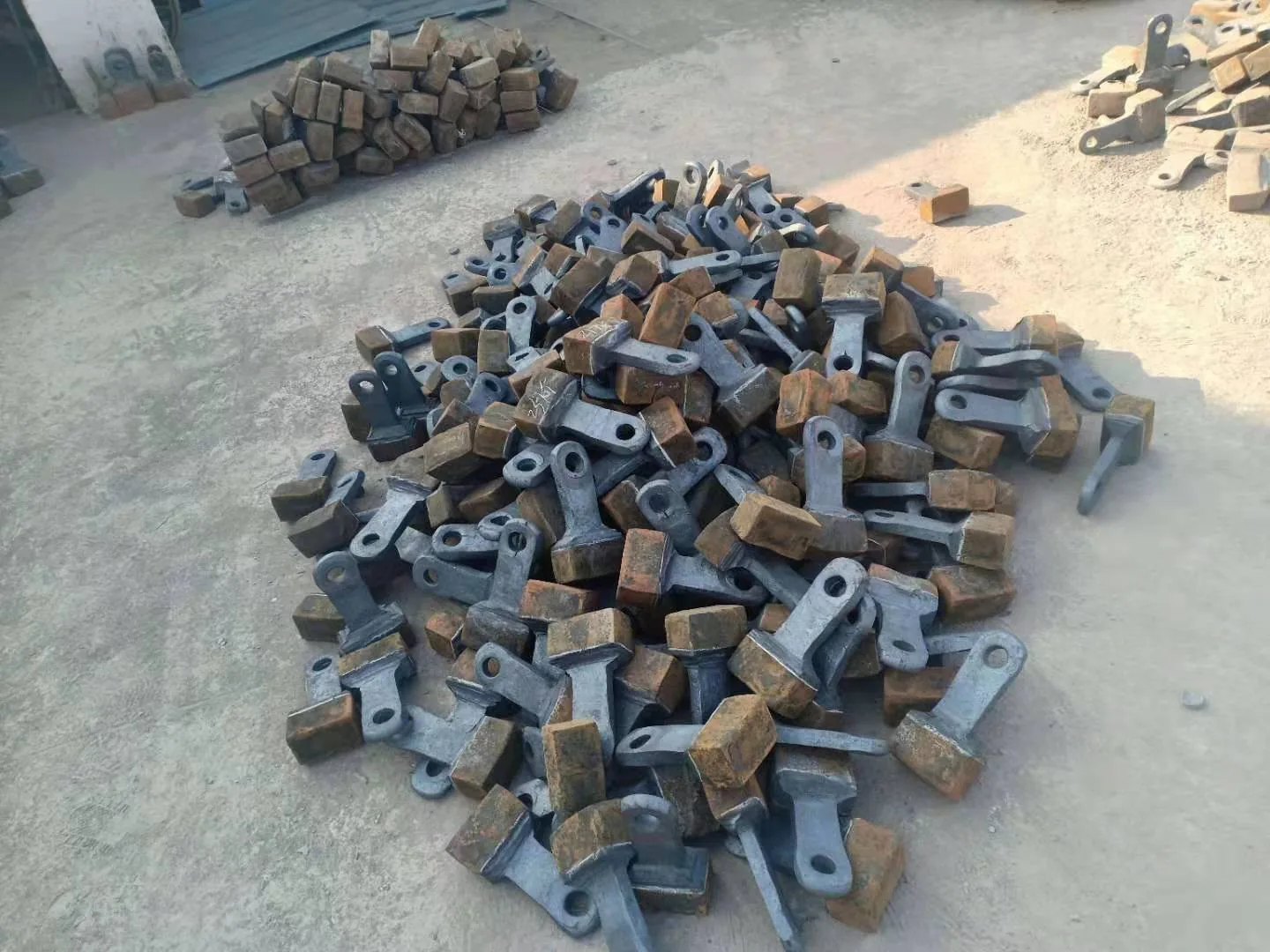
Adjust the media, compound, water ratio and cycle time to suit the material and target surface.
06 / PROJECT RECORDS
Configurations shown are selected records from supplied project materials. Final capacity, drive and discharge details are engineered for each customer’s stone and site.
The drum rotates steadily under load while water controls dust, carries fines and supports surface refinement. The open process area allows direct observation of slurry discharge and mechanical condition.
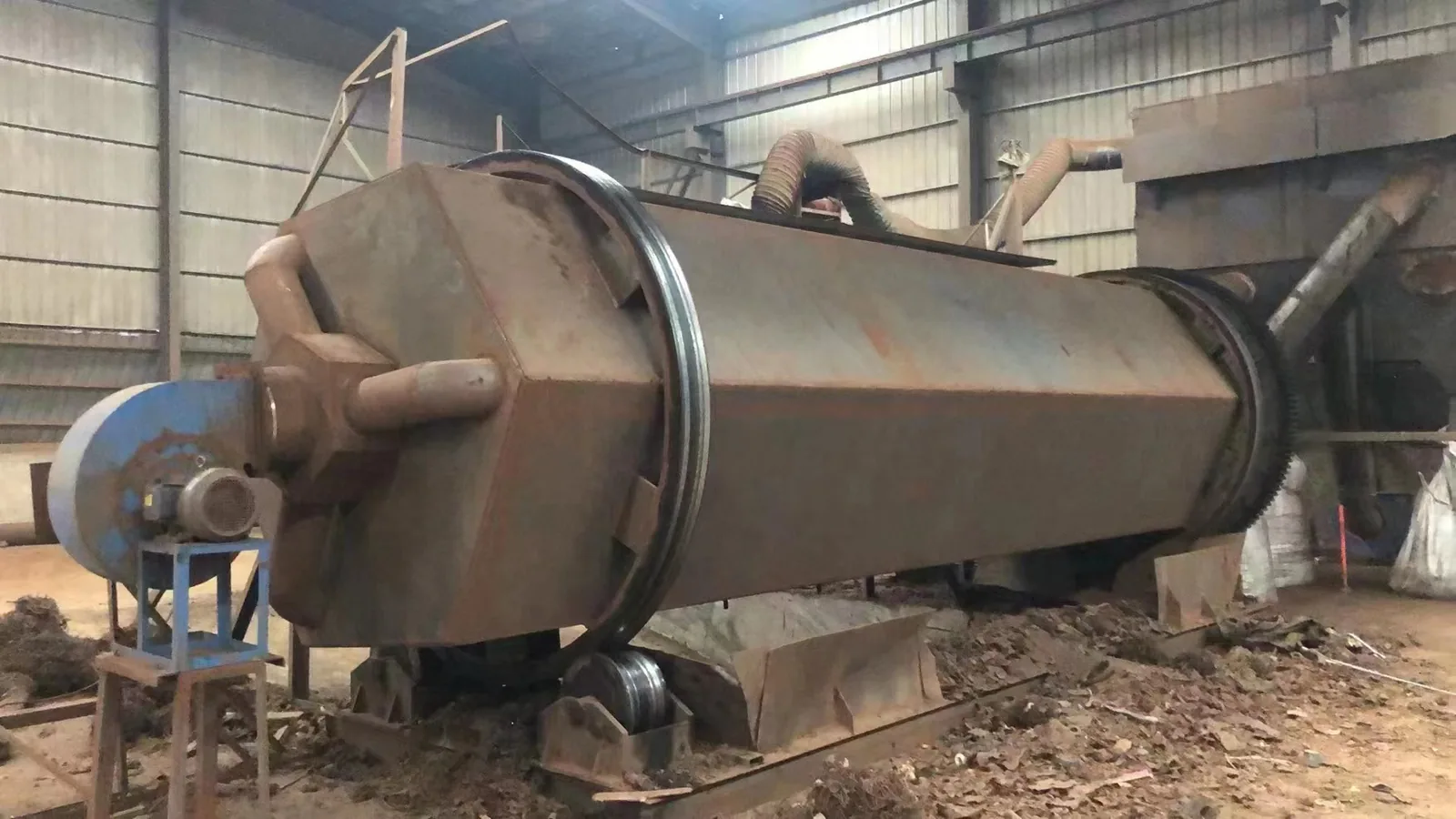
Reinforced shell, support rollers and a large drive arrangement for demanding stone service.
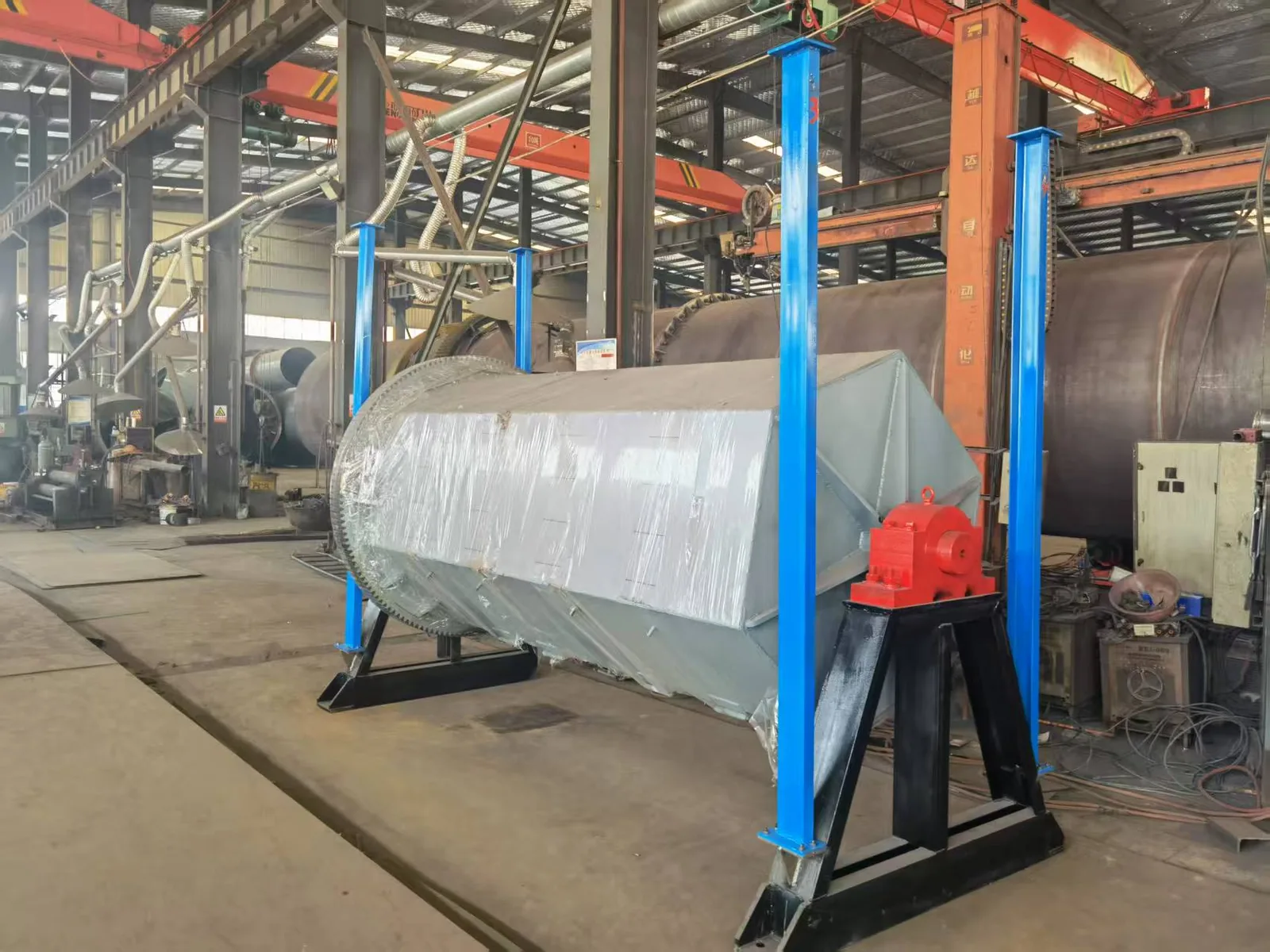
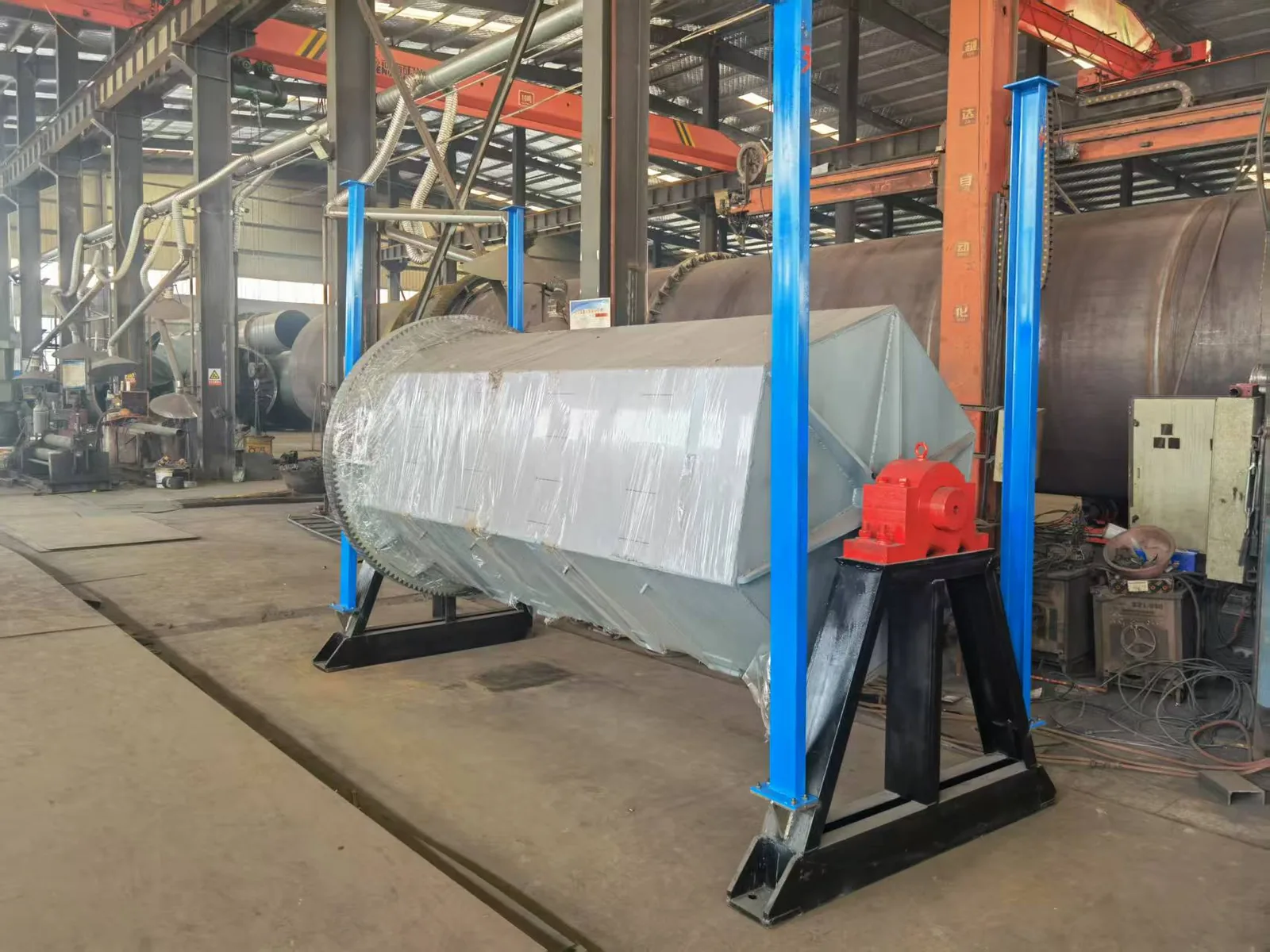
Compact models can be prepared for efficient loading, international shipment and rapid site assembly.
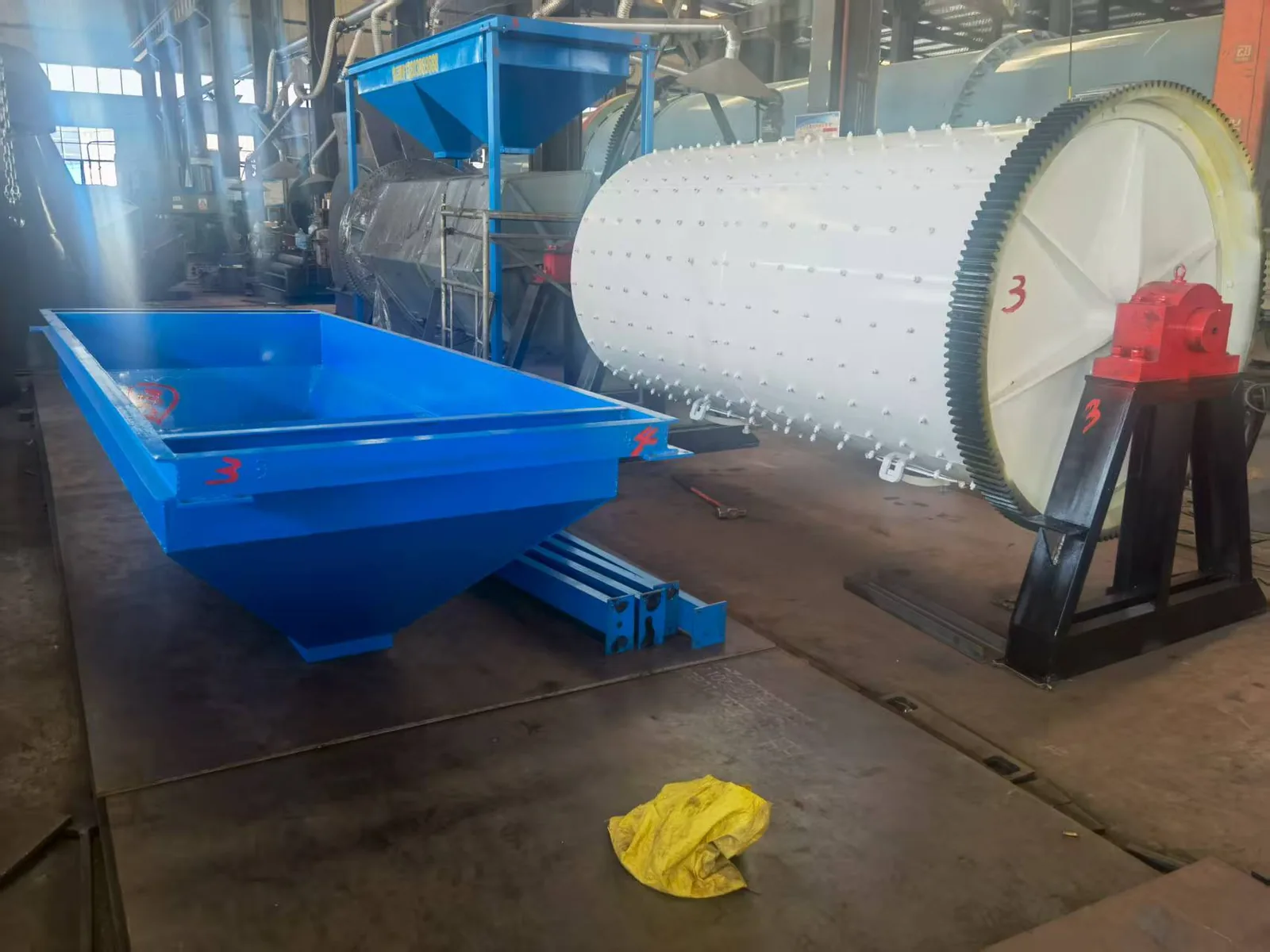
Mechanical alignment, rotation, access doors and drive operation are checked before dispatch.
07 / TECHNICAL DATA
Published values are standard reference configurations from the supplied technical document. Capacity is approximate and changes with stone size, bulk density, media ratio and operating recipe.
| Model | Motor power | Drum size (mm) | Shell thickness | Approx. nominal batch | Material |
|---|---|---|---|---|---|
| 0812 | 7.5 kW | Ø800 × 1200 | 10 mm | 1 ton | Q345B |
| 1621 | 22 kW | Ø1600 × 2100 | 12 mm | 5 tons | Q345B |
| 1632 | 37 kW | Ø1600 × 3200 | 12 mm | 10 tons | Q345B |
| 2045 | 110 kW | Ø2000 × 4500 | 20 mm | 15 tons | Q345B |
| 2060 | 132 kW | Ø2000 × 6000 | 20 mm | 20 tons | Q345B |
| 2080 | 160 kW | Ø2000 × 8000 | 20 mm | 25 tons | Q345B |
| 2450 | 160 kW | Ø2400 × 5000 | 20 mm | 30 tons | Q345B |
| 2480 | 185 kW | Ø2400 × 8000 | 20 mm | 40 tons | Q345B |
| 3060 | 280 kW | Ø3000 × 6000 | 25 mm | 50 tons | Q345B |
Available configuration options
08 / FAQ
A reliable recommendation starts with material size, hardness, target finish and daily capacity. Send a sample or process data for a more specific evaluation.
Discuss your materialCobblestones, river pebbles, decorative stones, aggregate and selected ores. A sample test is recommended for fragile, porous or unusually soft material.
Yes. Wet tumbling with water and a suitable compound is normally preferred for dust control, slurry removal and a finer finish. Dry processing is possible for suitable material and media.
Cycle time depends on hardness, feed size, surface condition, media and required gloss. Operators normally inspect the result after the first hour and continue until the target finish is reached.
Selection is based on stone size, bulk density, target throughput, process method, available power and downstream screening. Cronus can size the drum and drive after reviewing a sample or operating data.
Yes. Drum dimensions, plate thickness, liner, motor power, hopper arrangement, water supply, discharge and support frame can be configured for the project.
Check reducer oil, gear lubrication, bearings, fasteners, access-door seals, water lines, slurry discharge and wear surfaces. Isolate the machine before inspection.
Most finishing recipes use water plus abrasive or polishing media selected for the stone and target surface. Some rounding and cleaning duties rely mainly on stone-to-stone contact.
A working fill around three quarters of usable drum volume is a common starting point. The exact stone, media and water ratio should be confirmed through a test cycle.
Yes. Feed hoppers, water circulation, slurry handling and vibrating screens can create a coordinated feed-polish-separate workflow.
Standard industrial models use three-phase power. Voltage, frequency, motor protection and controls are configured for the installation country and selected motor power.
Models above approximately 10 tons can be equipped with a synchronized braking arrangement to stop and position the drum for loading or discharge.
Cronus provides selection support, installation guidance, commissioning assistance, operator training, technical video support and spare-parts service.
09 / PROJECT INQUIRY
Share feed size, stone type, target finish and daily output. Our engineers will recommend a model, process route and supporting equipment.